
While the ELL population is growing by leaps and bounds in US public schools, most school counselors don't receive any specialized training on how to work with these students or their families. School counseling with ELL students isn't hugely different or difficult, but I've found some tips, tricks, and best practices.
I work in a preK to fourth-grade elementary school in the southeast. Around 40% of my students are English Language Learners, and even more come from non-English language backgrounds. Spanish and Arabic are the two main languages spoken by my ELL families. The number of Swahili-speaking families (as well as those speaking other African languages) is growing, and I also have some East Asian students.
Most of my ELL students are second-generation Americans, though many moved to the US as toddlers. I had zero training, information, or experience working with ELL students or families before my first school counseling position. I've learned so much from them, and despite the many challenges (including my lack of other language skills!), I've really enjoyed it. Here are some of the strategies I've learned to help me be more effective in this role.
Less Metaphors, More Concrete Ideas and Examples
Counseling stories and techniques are full of beautiful metaphors, but unfortunately, they can be tricky for people who aren't yet proficient in the language of metaphor. This matters when selecting books for class lessons or counseling sessions.
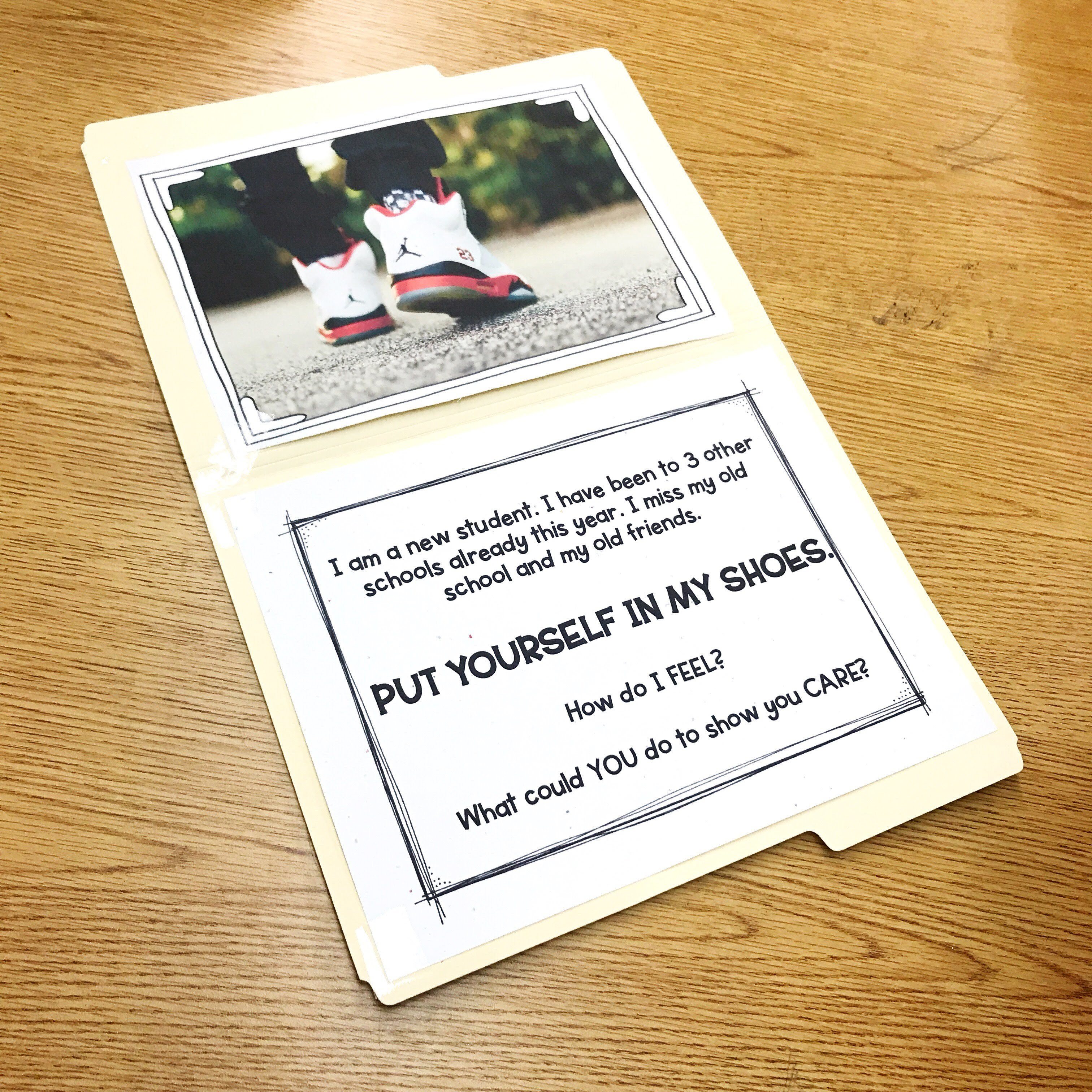
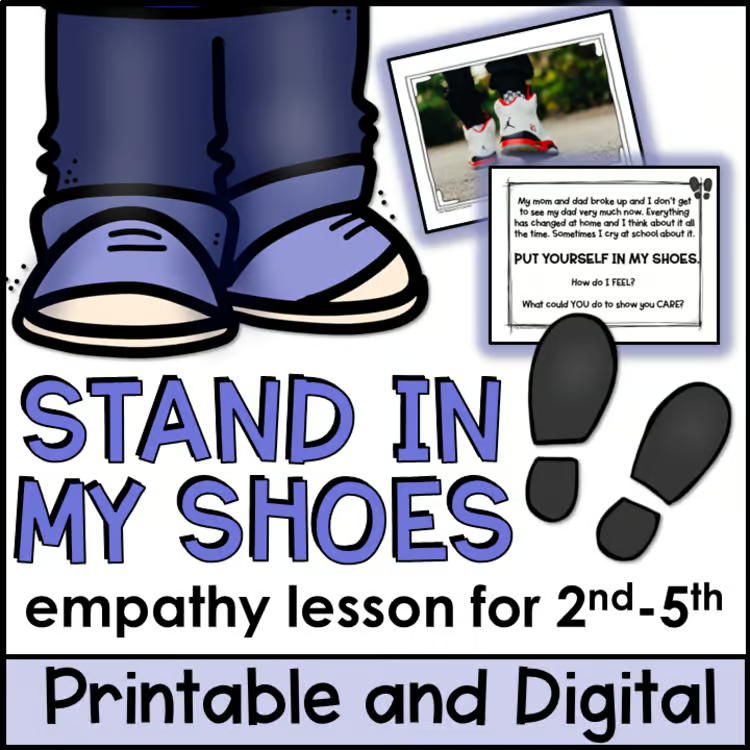
For example, when I teach about empathy and use the book "Stand in My Shoes", I have to be very explicit about what the metaphor means. We go through specific examples of pretending to "stand" in a student's shoes and explaining that I wouldn't actually walk in their shoes. I would think about what it's like to be 7, to speak Spanish at home, to have a little sister, etc. Much of the time, I skip metaphors altogether.
Representation Matters
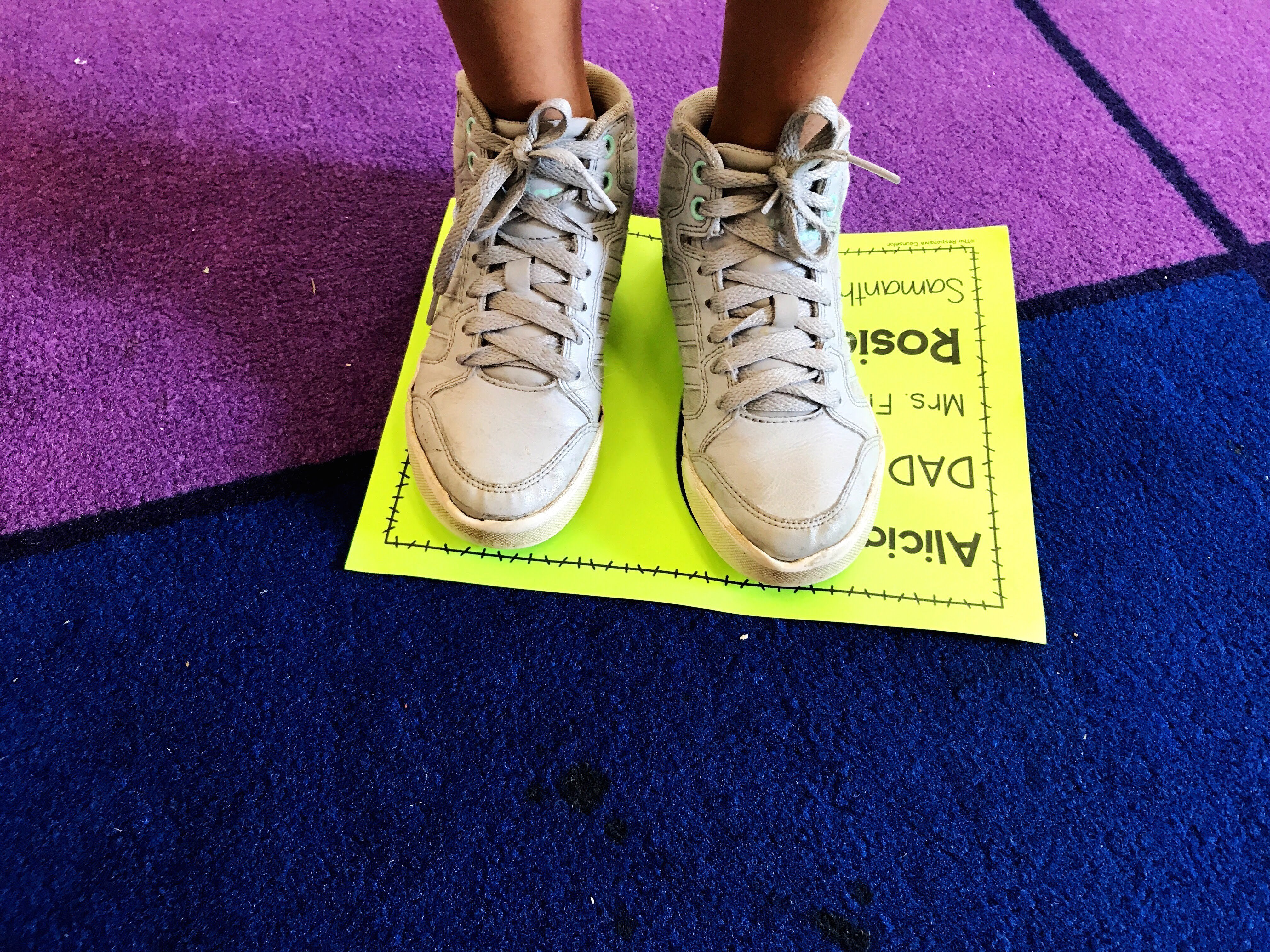
My students need to know I see them and value what they bring to our school. When I look through the books I plan to use throughout the year, I look at the characters. Do they match my students in terms of race and ethnicity, or are they all white? When I'm writing scenarios for different activities, I make sure to include common Egyptian and Central American names, as well as common names from other groups at my school.
Prioritize Relationships with Translator(s)
I don't speak any other languages and have relied heavily on my school's part-time translators. They do more than just translate my letters and interpret during meetings. They form connections with families and serve as community liaisons. My translators know and trust me, so they share important information about families with me. It also means they tell the families they can trust me, which is incredibly meaningful and powerful.
One thing I didn't know before working with a translator was that I should address the family directly, not the translator. The first time or two of doing this feels a bit awkward, but it's more polite to be direct. Also, we convey so much through tone and body language!
Be Ready to Talk About Immigration and Deportation
Many of my students and their parents are in fear of a parent being deported. This means anxiety over smaller things like a parent getting pulled over while speeding as well. Deportation has a loss like death paired with some of the shame of prison. And it comes with the financial ramifications of both. It's also important to be thoughtful about your language; "undocumented" or "without papers" is far more appropriate and compassionate than "illegal". I also recommend having resources on hand to share with parents about legal representation, health care for the uninsured, etc.
Visuals, Visuals, Visuals!
I try to incorporate visuals into everything I do. I don't just talk about the conflict escalator; I show them a picture of an escalator. I don't just read prompts aloud; I project them and include clipart graphics too.
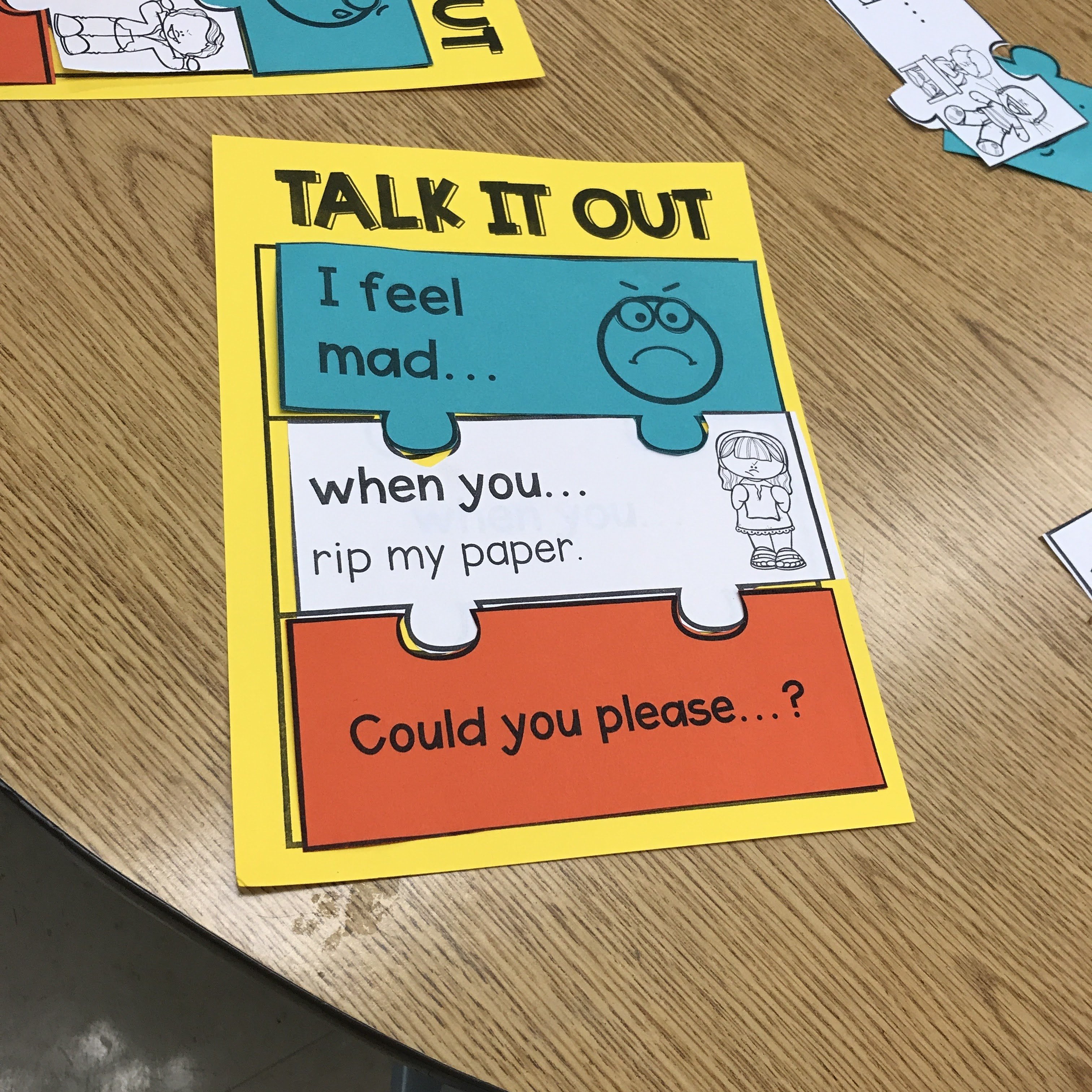
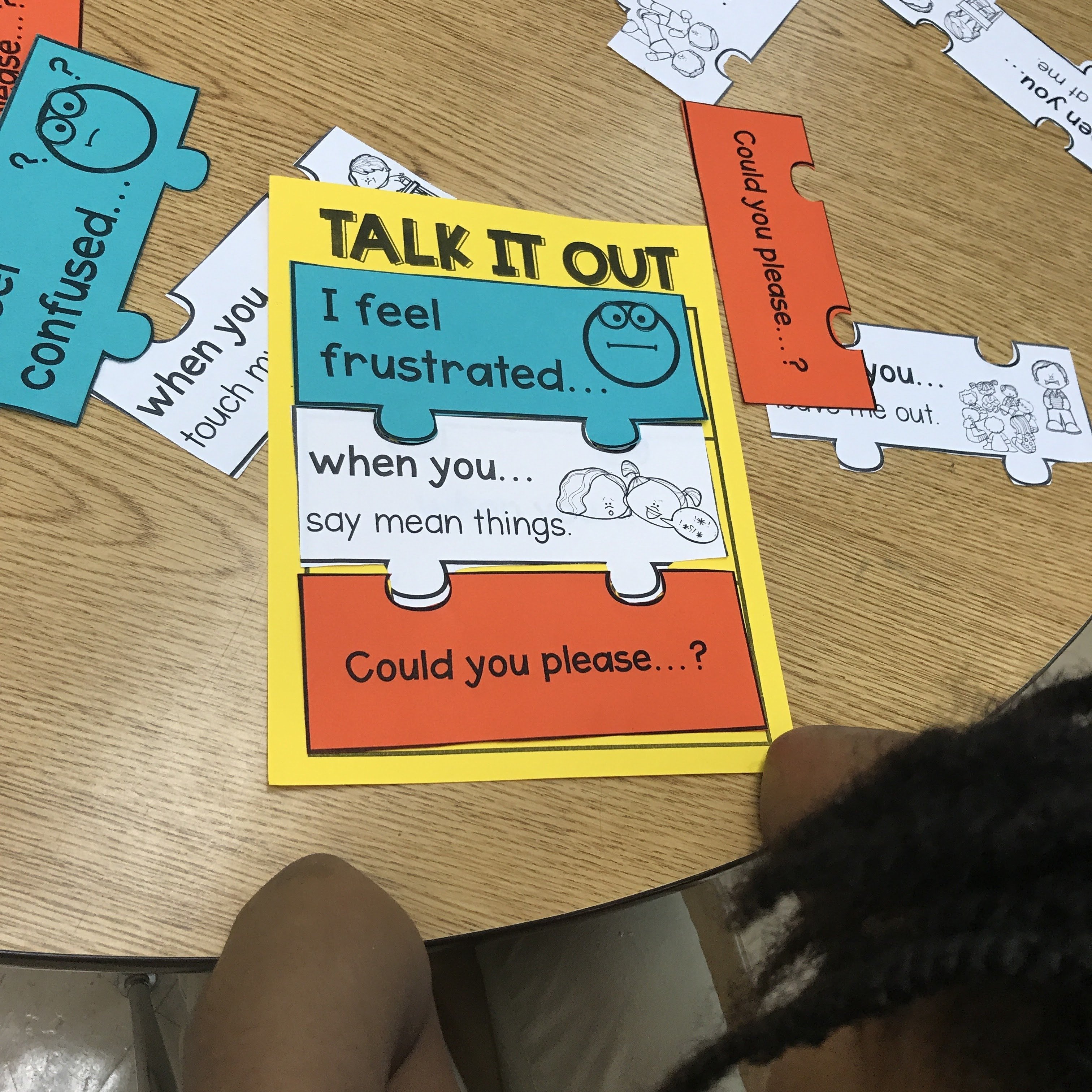
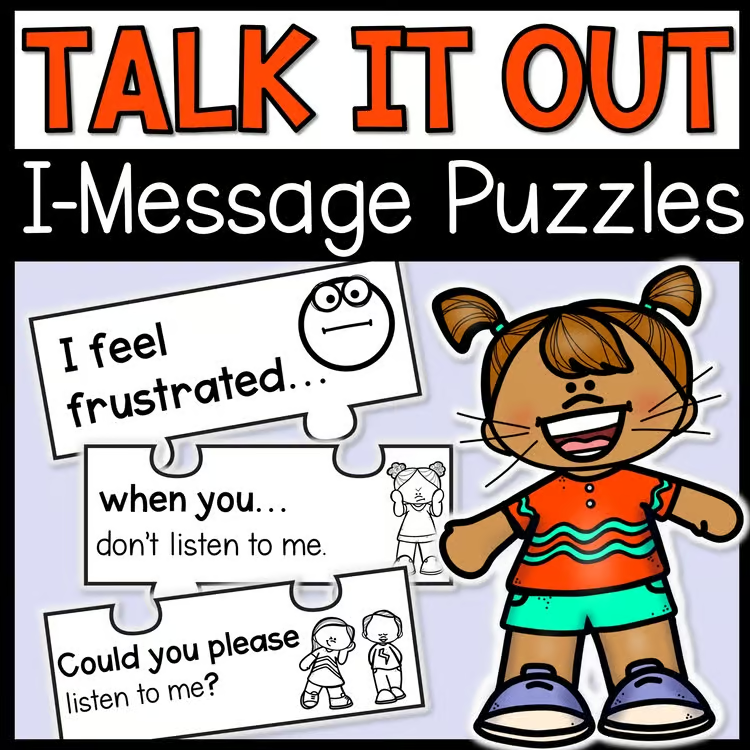
Sometimes visuals can also take the form of picture book read-alouds or role-plays. I often use animated PowerPoints when talking about big concepts like T.H.I.N.K. before you speak, so there are pictures and words to go along with everything I'm saying. Another example is when I teach I-messages to classes with higher numbers of ELL students; I include visuals with each piece as they put together I-message puzzles.
The MTSS Academic Process is a Little Sticky
Part of determining whether a student needs a tiered academic intervention, or whether they may have a disability, involves ruling out English language proficiency (or lack thereof) as the issue. This is tough stuff, especially with elementary-aged kiddos who don't read or write in their first language and can't be tested that way. As school counselors, we often play a role in Child Find/MTSS. Not everyone on the team may have received training in identifying disabilities in ELL students. Sometimes we have to talk through best practices together.
Let the Kids Talk!
My classroom lessons are perhaps noisier than those in schools with fewer ELL students. Kiddos often translate for each other (sometimes literally as I'm teaching). They are asking many more questions. And I encourage as much student interaction as possible. Partly because it's evidence-based, and partly because I want to give my students the opportunity to develop their language skills whenever possible. Here's a whole post about awesome cooperative learning activities for school counseling!
Just like every child is different, ELL students and families are all very different too. Some schools have mostly newcomer students, some serve largely refugee populations, and some provide instruction in two languages! What type of ELL population do you have?
Shop Resources In This Post
What questions do you have about serving ELL students through your school counseling program?
Share your tips and questions in the comments below.