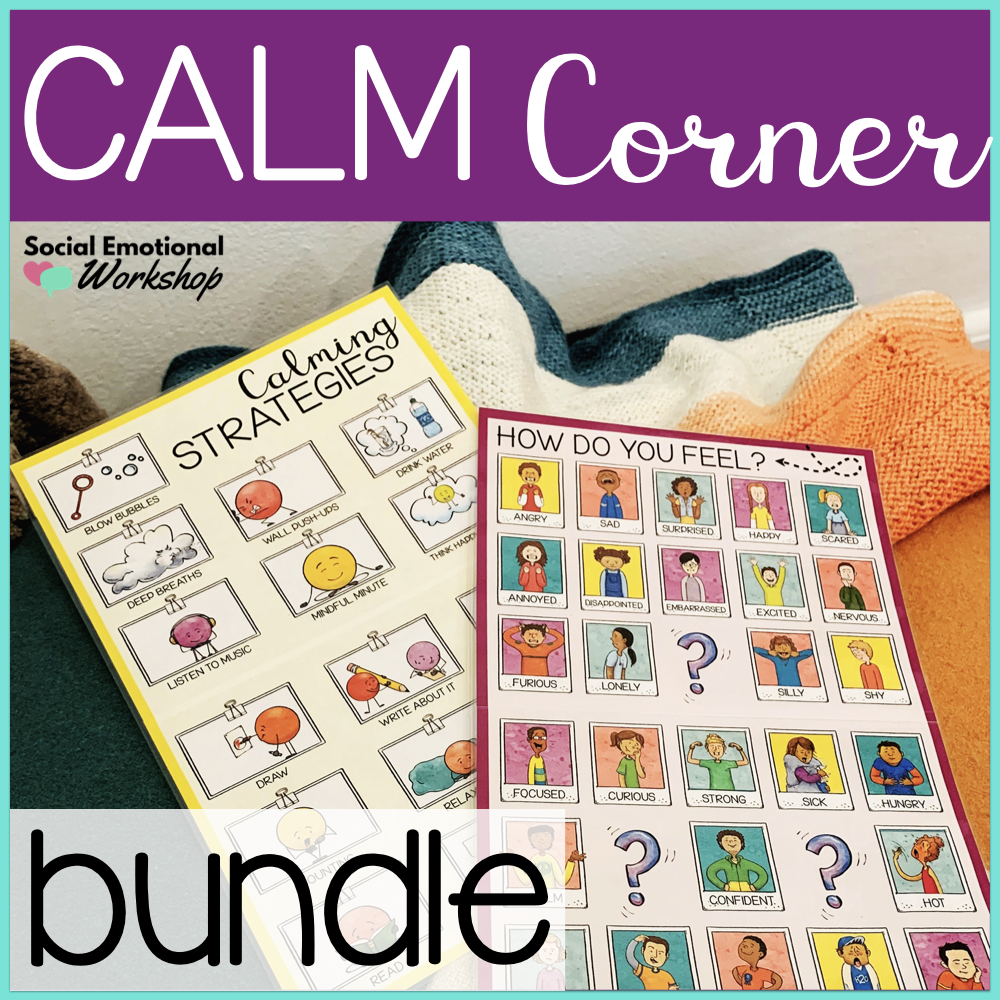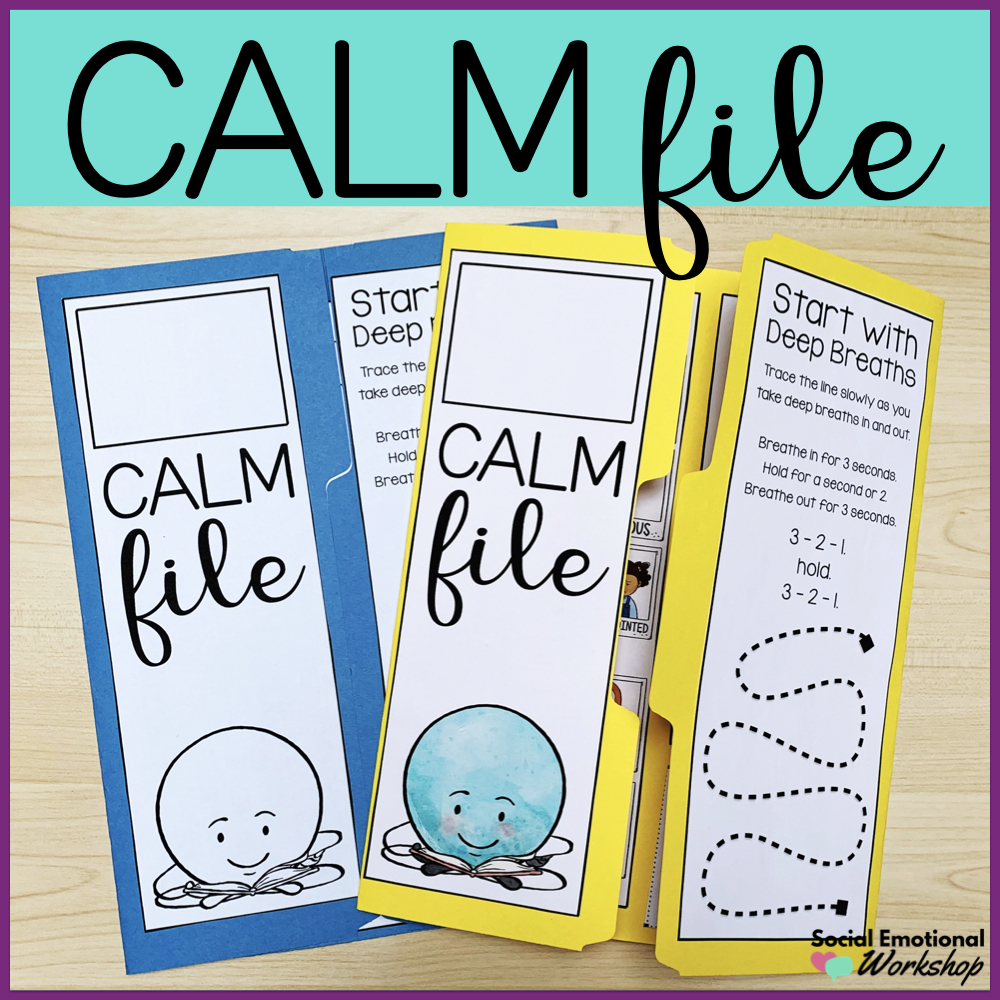

If you have space in your counseling office, a calm corner is a great addition. It provides a place where students can take a break, practice calming strategies, and work towards better regulation over time. As a counselor, you also get to provide more direct support and instruction than might be possible in a classroom.
Calm Corners are Comfy
The calm corner should be comfortable and soothing. Soft rugs, pillows, bean bag chairs, blankets, and weighted lap pillows all work perfectly. Usually, a trip to Home Goods or TJMaxx does the trick. FYI, weighted pillows and blankets can be pricey, so I would go the DIY route for those.
Calm Corners Guide Step by Step
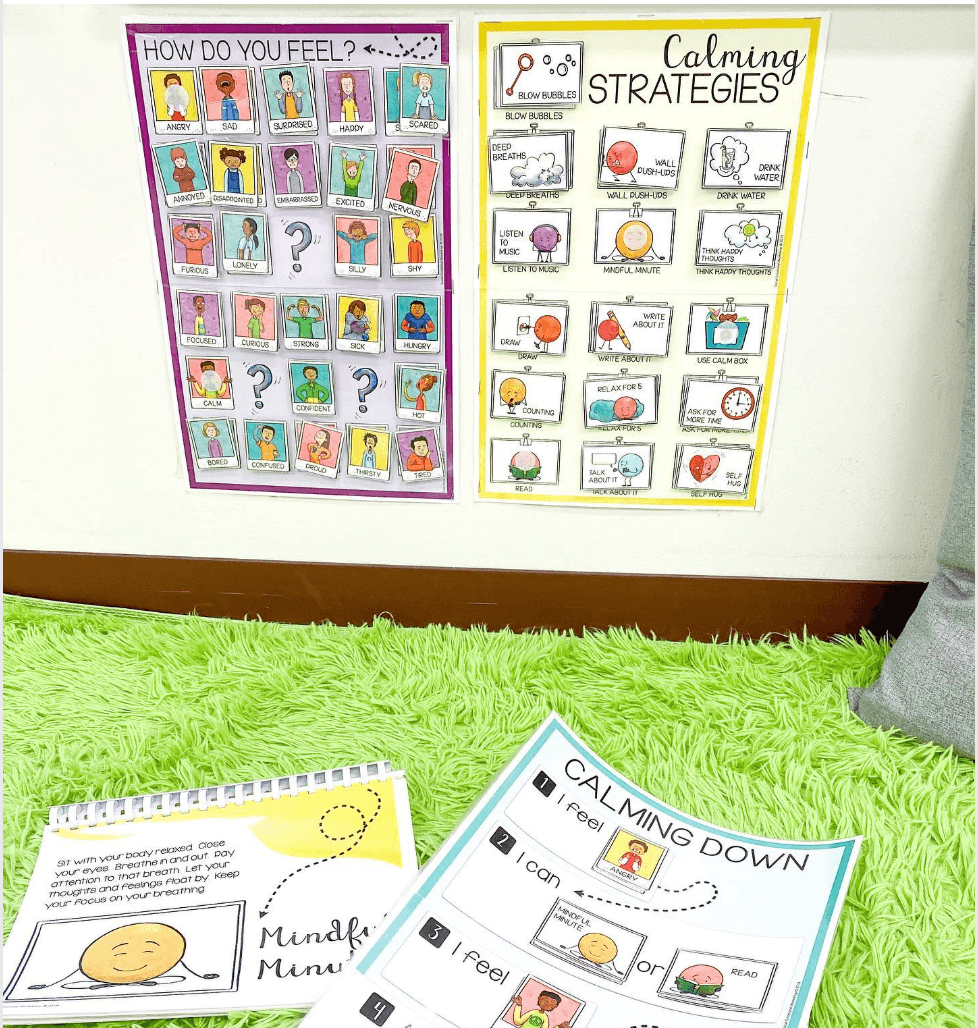
A calm corner is more than just cozy items and some fidgets. When students are in this space, it is an opportunity to develop self-regulation skills. This is best done with a simple step-by-step process that they know and can repeat each time.
- Have students check in on how they are feeling
- Choose a calming strategy or two and try them out.
- Check in again to see how they are feeling after using the strategy.
- Repeat this until they feel they are back to a calm state. It is fine to set a time limit on this or support them in getting back to a calmer state faster.
A simple process will make the calm corner purposeful, not just a place to take a break.
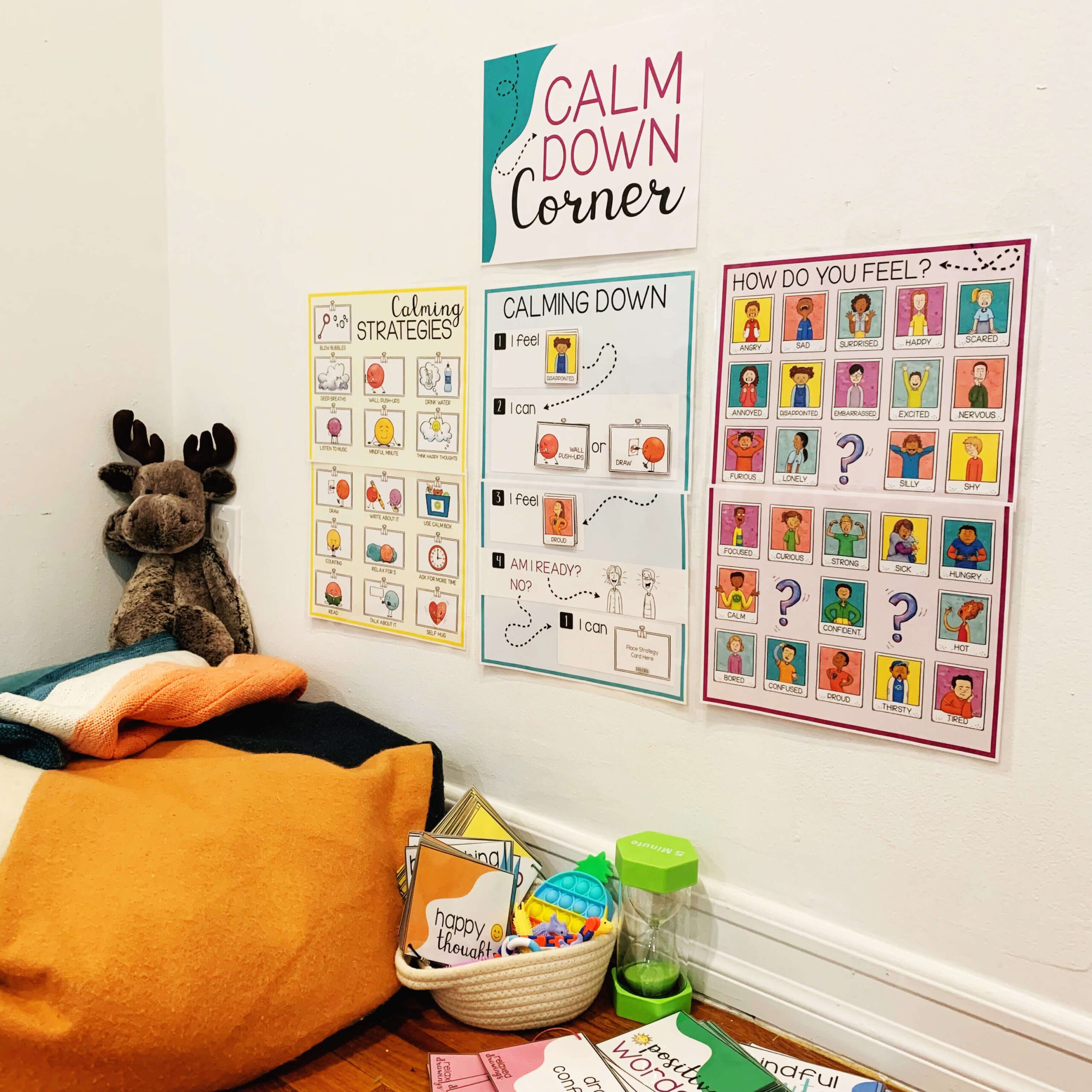
Calm Corners Use visuals
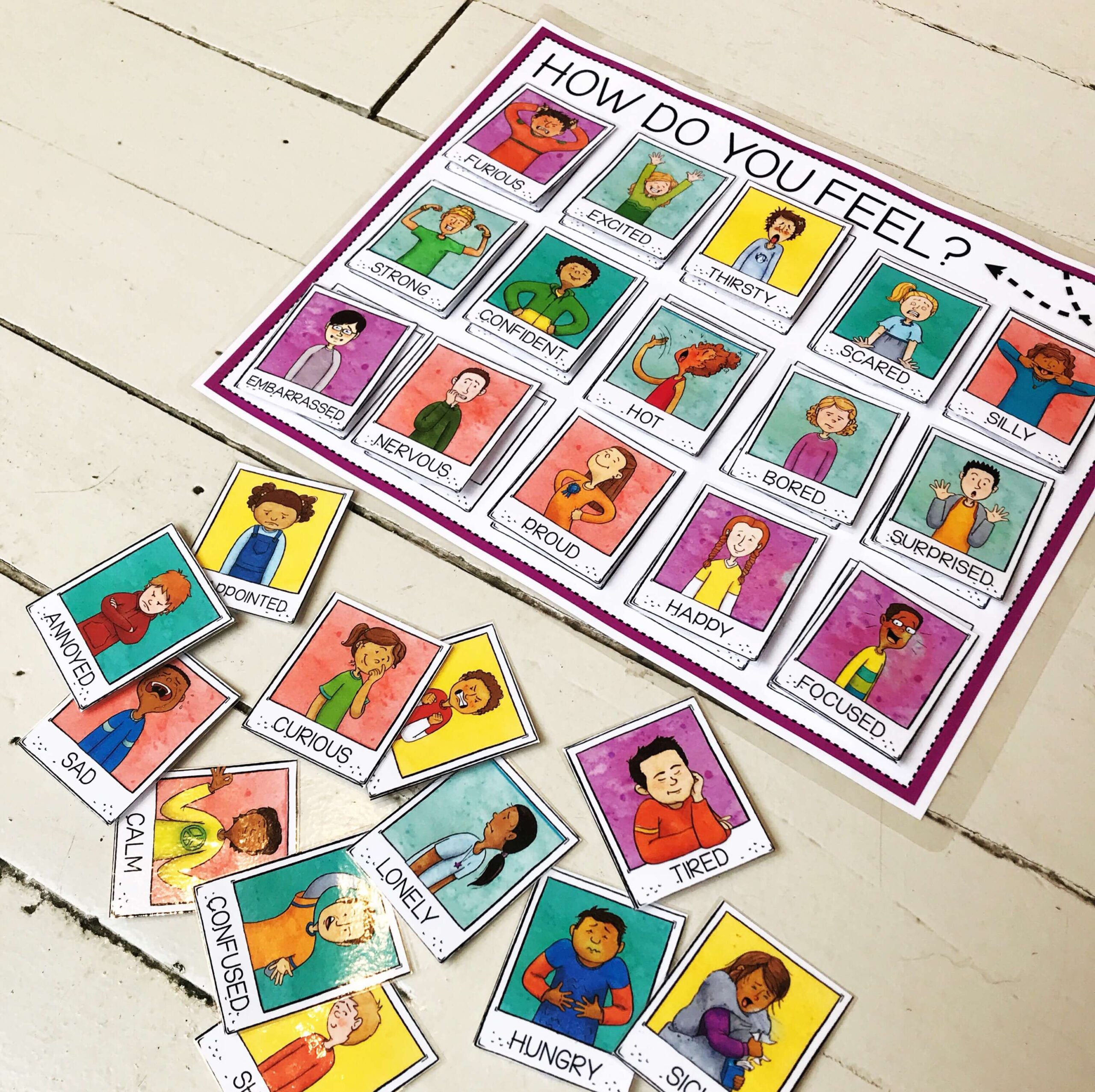
Visuals are an essential part of a calm corner. Many students, when they are feeling stronger emotions, won't have the language to talk about them. Visuals help them communicate and think about what strategies they could use.
It is helpful to start off with fewer, concrete visuals and slowly build them up. For example, as a student learns new calming strategies, they can be added. Or as their feelings vocabulary expands, they can have a larger set of emotions to choose from.
Calm Corners have Strategies
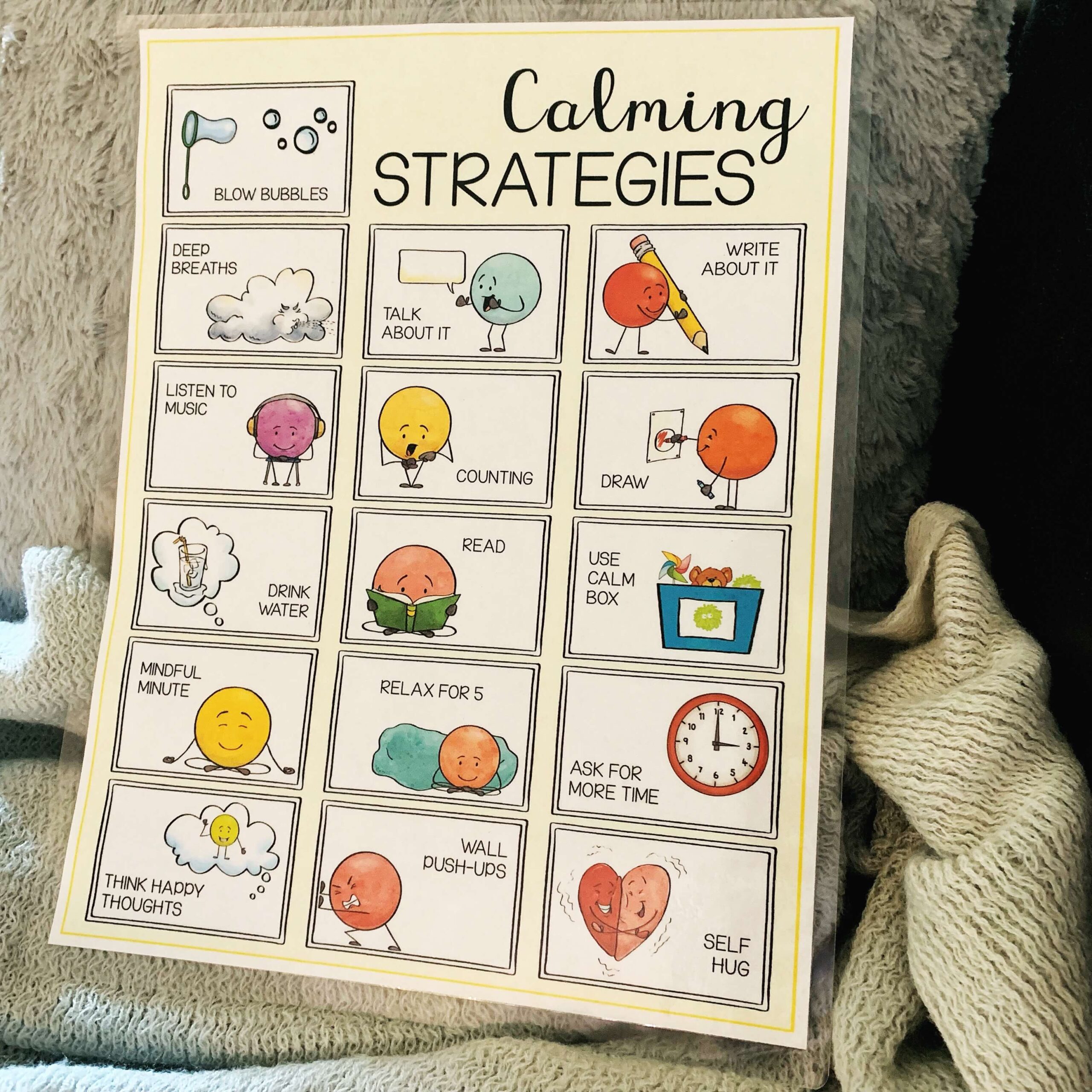
In your calm corner, you want to make sure you have visuals for different strategies. Part of self-regulation is figuring out what works best for you. So let's give kids some options.
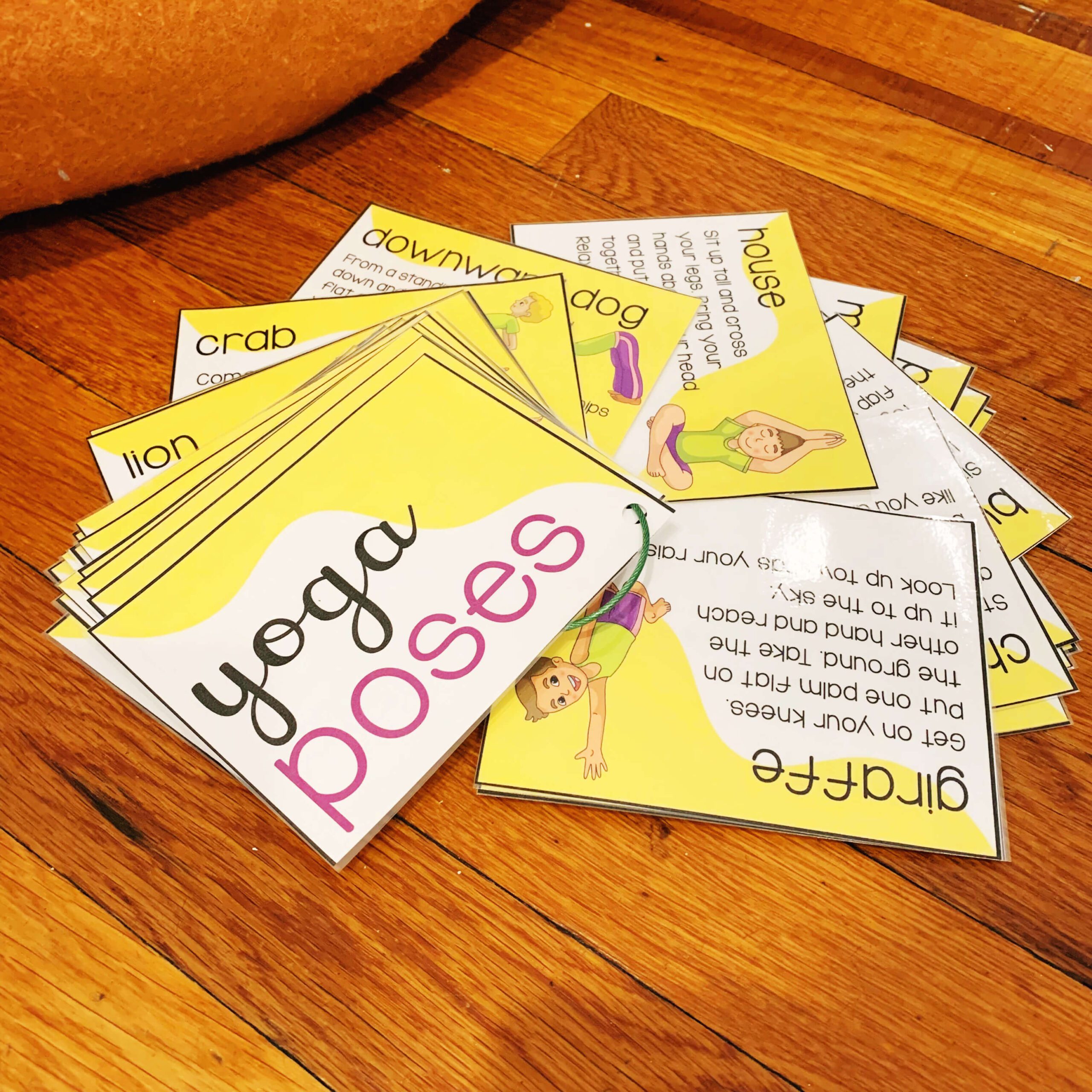
Some different strategies to consider: sensory/fidget tools, yoga poses, mindful minutes, affirmations, breathing exercises, directed drawing, happy thoughts, jokes.
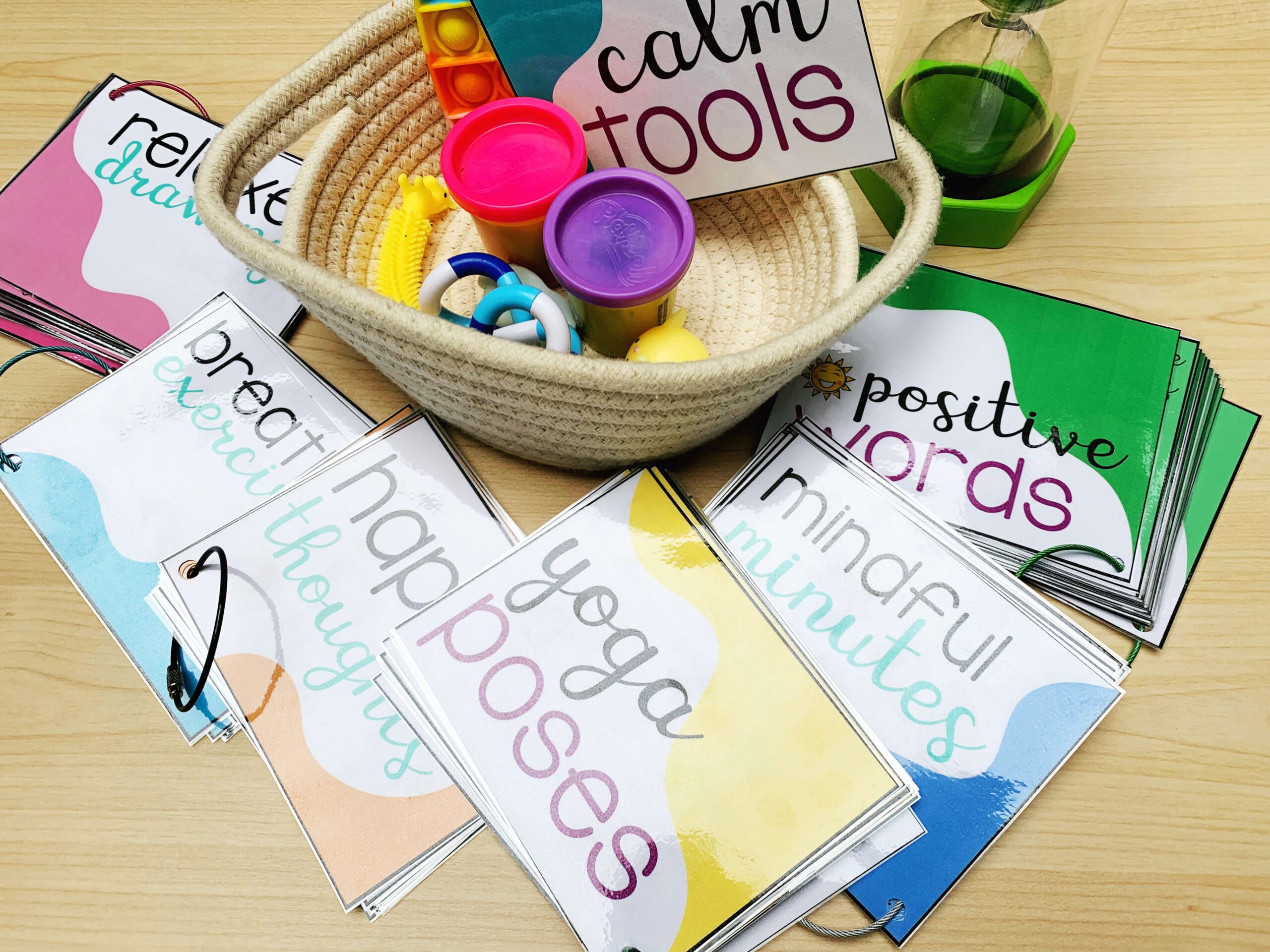
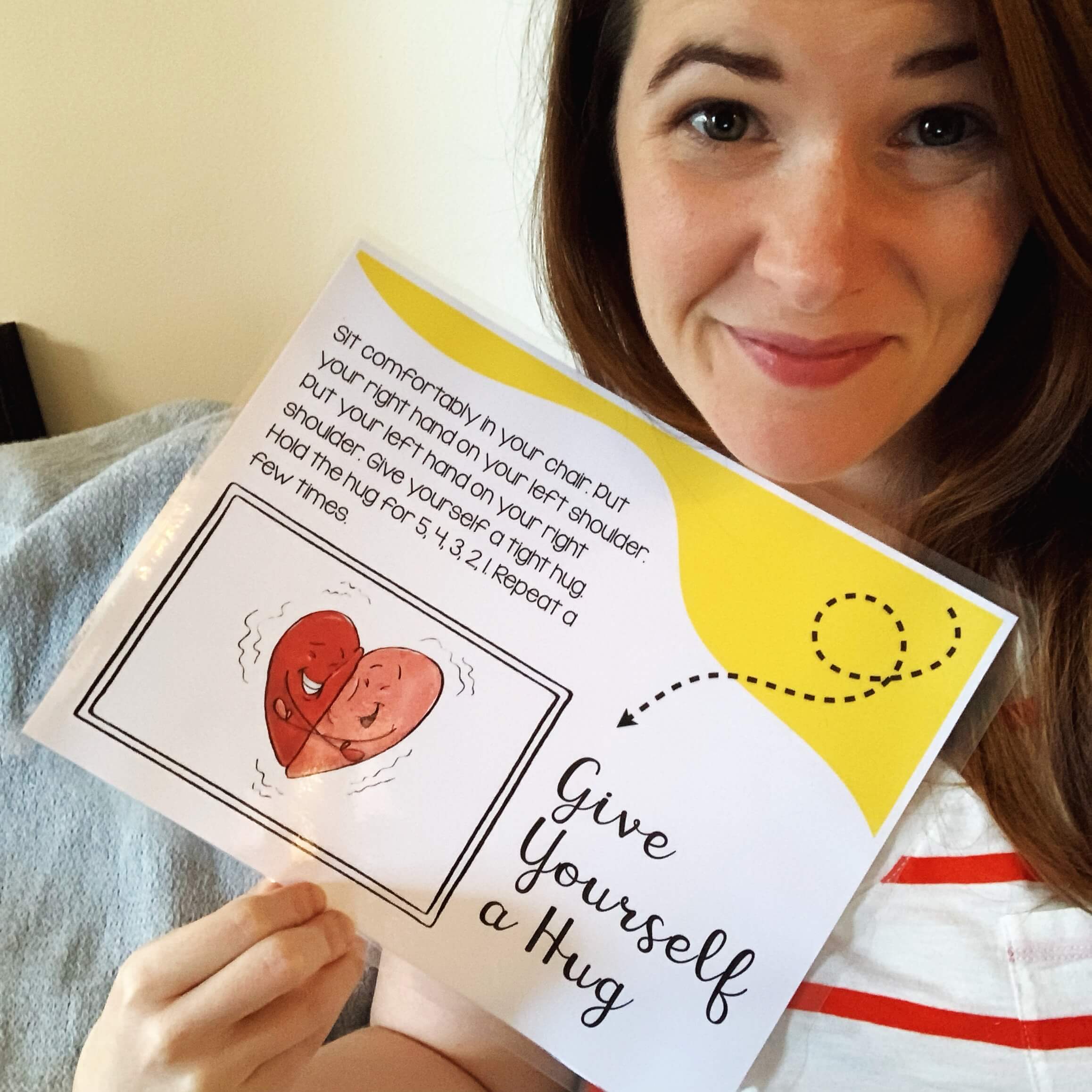
Each break spot should have the materials needed for the provided strategies. If you have a calming strategy for deep breathing, include a pinwheel or tissue paper where students can do slow, controlled breathing. If you have drawing as an option, make sure you have paper and pencils/crayons.
Incorporate It
After a student has used a calm corner, deepen it with some self-reflection.
A couple simple ways to do this:
- What If Map that has the student walk through two different decision paths. What if they made a different choice when a triggering event happened?
- Brag Sheet to have them reflect if or how using the calm corner helped them reset.
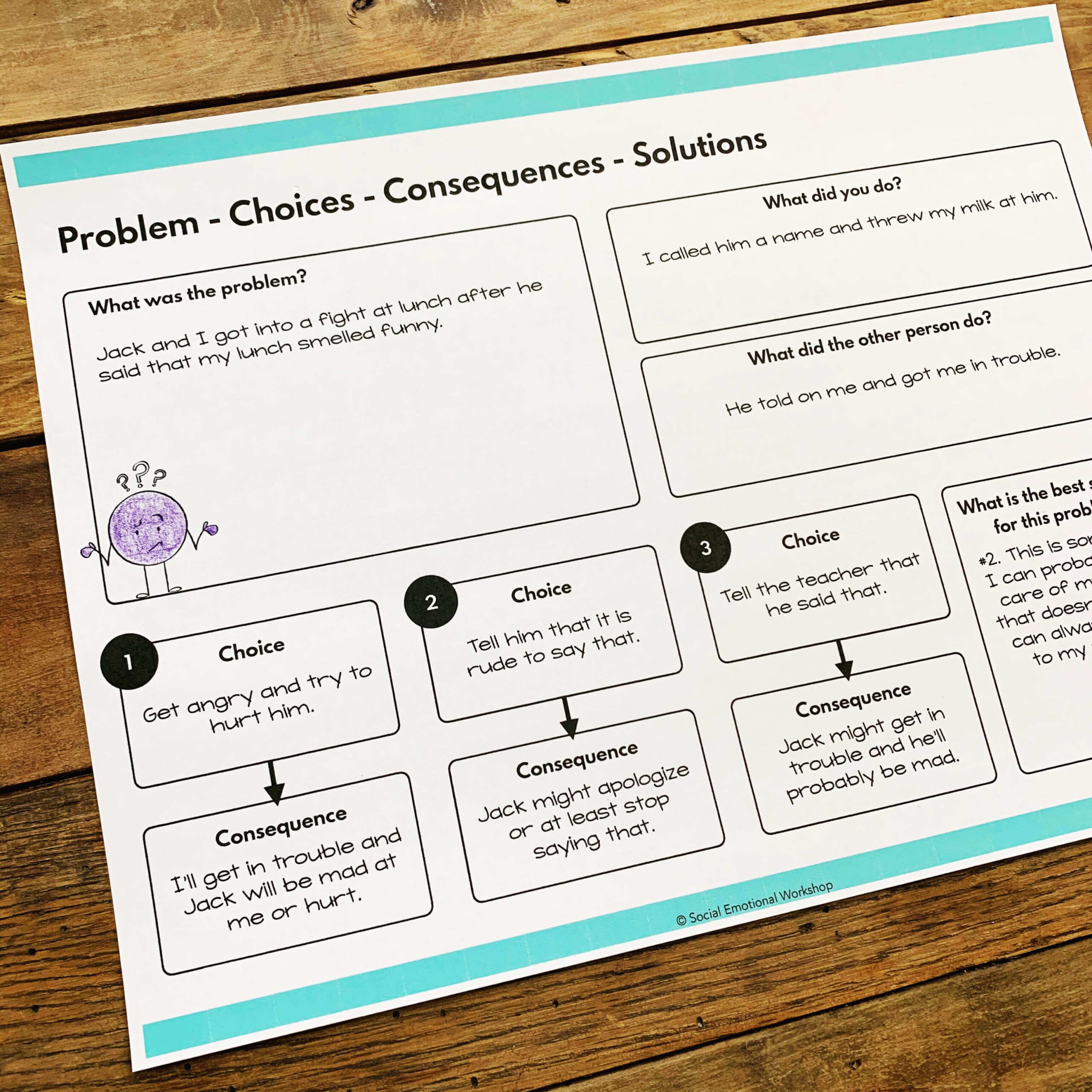
- Problem solving maps that help them connect the problem with their actions and other possible choices.

If you want a calm corner to really work, you have to practice calming strategies when the student is not dysregulated. Add it as a warm-up or cool-down in counseling. Share some with teachers to use as a brain break or following a transition back to the classroom. Each additional exposure to a calming strategy will help students use it independently when they need it.
A portable version of the calm corner is a great addition, allowing students to easily access the calming process wherever they are without sacrificing a corner of your office. Also great for field trips and specials.
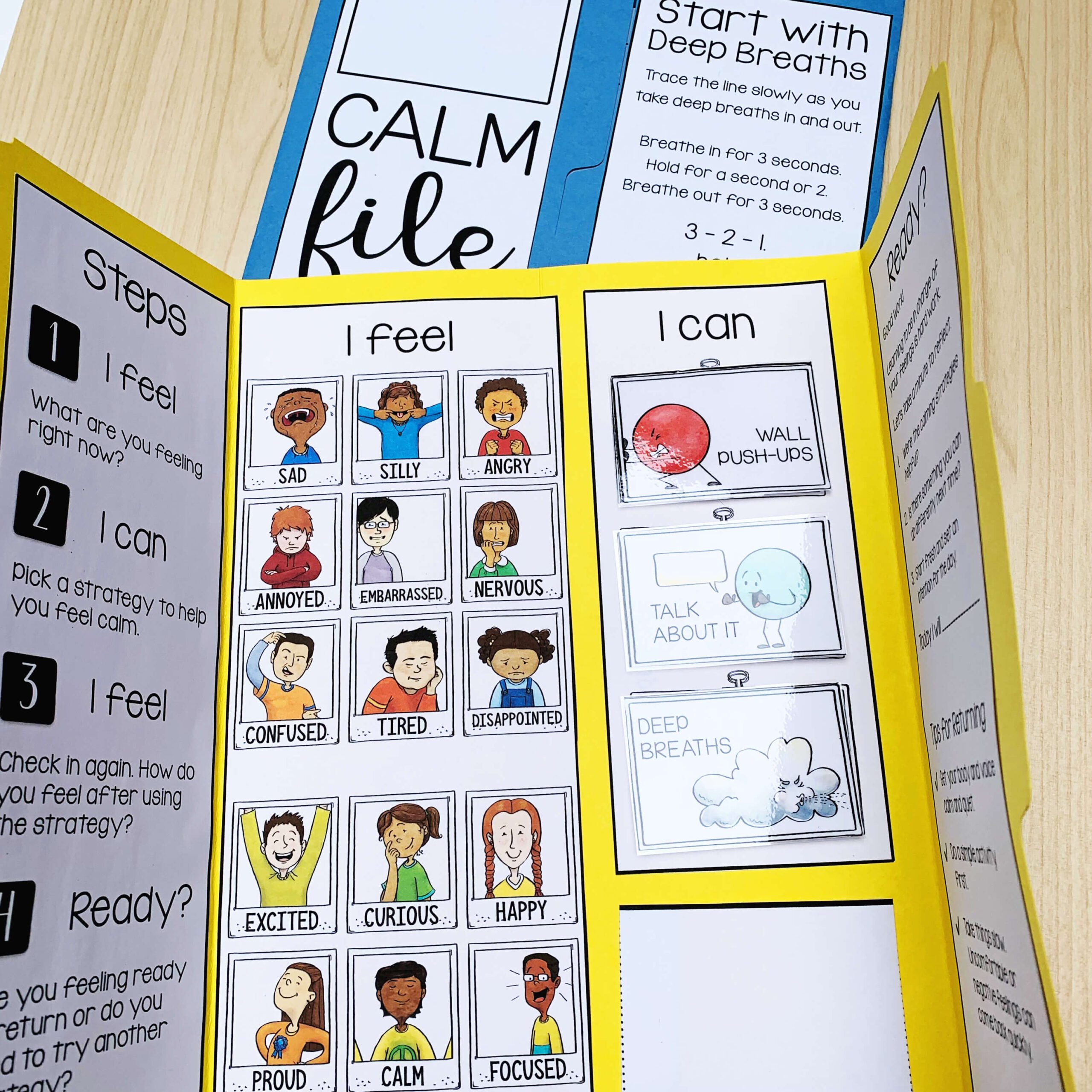
Social narratives provide additional support and reinforcement to help students become fluent in using the calm corner. In this social narrative, put each step of the calming process on a page of a mini-booklet and write it in the first person.
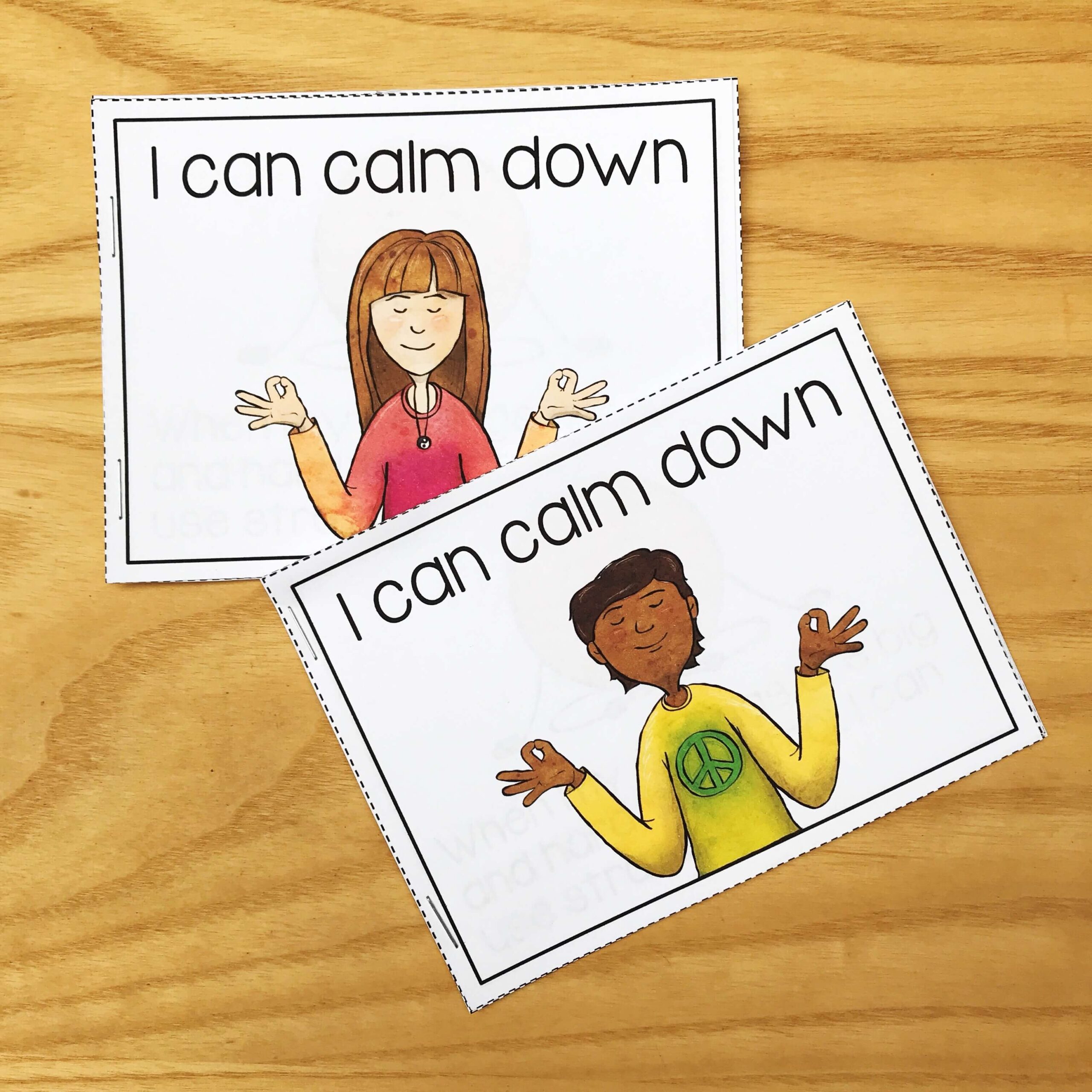
Here is a starting checklist of what to include in your calm corner and the procedures you should teach.
calm Corner setup Checklist
What do you have in your calm corner?
Share your calm corn must haves in the comments below!
Shop the Post