
Mindfulness with middle schoolers: a piece of cake or labor of love? I've had loads of fun teaching mindfulness to elementary-aged students, but when I first threw out the idea to some of my middle schoolers, they looked at me like I had three heads. I knew that buy-in would be a little tougher with this age group (but totally worth the effort). Keep reading to find out how I hooked my students' interest and the middle school mindfulness activities they actually enjoyed.
Middle School Mindfulness Activities
Buy-In
We know adolescents need mindfulness, but how do we get them engaged? How do we get buy-in? Elementary students jump at the chance to breathe like a butterfly or do a silly animal-themed yoga activity. But middle schoolers aren’t always the easiest to engage! One thing is reliable, though: adolescents love to know why. Why are we doing this? Why does this matter?
Problem List
When introducing the concept of mindfulness, I begin by having my students create a list of problems. What are their stressors? What are the things causing turmoil in their lives right now? I ask them to be as specific as possible. Is it just homework in general or one specific assignment? What about that assignment is troubling? Is it hard to complete a project that large? Is it hard to work in a group? We go on like this for a while. As you can imagine, this list is often long!
Students identify problems like interpersonal conflict, feeling stressed by schoolwork, being overwhelmed by responsibilities and extracurricular activities, feeling like they don’t fit in, and the list goes on.
Possible Solutions
Then I challenge students to think of or find a single solution that could help tackle all the problems on the list. Students do some research using iPads. We spend a lesson or session doing this task, and the students report their findings, which often range from silly things like quitting school to thoughtful responses like seeking therapy.
At this point, I introduce the concept of mindfulness, but I don’t just tell students what it is or that it will help. I show them the research. I show them studies about how mindfulness improves memory and attention, lowers stress levels, increases happiness, and promotes social connections and altruism.
Then I give them the studies to review and then give them space to research it on their own for a few minutes. When they are allowed to review actual research and see facts and figures from studies, adolescents are much more likely to buy into the process because they can see the why behind it. When they can see studies conducted with people their own age who have benefited from the practice, adolescents are more willing to try it themselves.
Getting Started
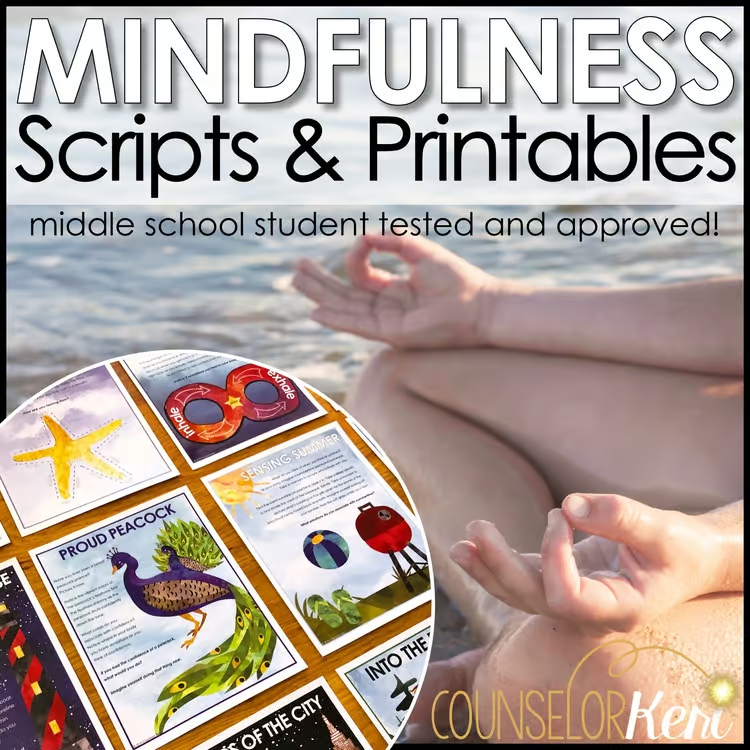
After I have some buy-in and have piqued their interest in this seemingly magical practice that can address a whole host of problems they have identified in their lives, we start small. Adolescents already feel like they’re on a stage in front of their peers at all times, so we don’t start with a tricky yoga sequence or a 30-minute guided meditation because that’s a sure way to discourage participation! We start with simple 2-3-minute seated breathing exercises using tracing printables so that students can focus their attention on what they’re doing and not worry about meeting eyes with others.
As students gain comfort with short, simple exercises, we try longer activities and different types of mindfulness exercises. We also repeat activities. Students like to try again. They like to get better, practice, and feel like they’ve grown or accomplished something.
Breathing Exercises
Much of mindfulness hinges on slowing and controlling breathing to truly tune in to the body. To introduce breathing exercises, I first model controlled breathing for everyone in front of everyone. When the technology is available, I also let students practice using iPads and headphones with the Calm app. There are some great free activities students can do on their own without feeling like they're on a stage. I also give students printables to trace while they practice controlling their breathing with figure-8, rainbow, and star breathing to get the hang of it. Many of my students end up taping these printables inside their notebooks to use throughout the day.
If sitting in the classroom doing this is uncomfortable for your students, take them outside to practice! Give them pinwheels or bubbles (middle schoolers go wild for these things too) to practice deep inhales and slow exhales.
Meditation Activities
When we have some comfort with breathing exercises, I introduce short guided meditation activities. I like to first start with recorded meditations so students can use headphones to listen. This takes off some of the social focus so they're less worried about whether others are looking at them. After they practice this way, I do read some guided meditation activities to help them notice their bodies, recognize feelings about certain events, or pinpoint sensations and emotions tied to certain experiences or memories. Again, I keep these short to ease them in! They're less likely to give up if the novelty wears off quickly.
Active Mindfulness
If seated breathing and meditation aren't doing it for your students, don't be afraid to try active mindfulness exercises! Tuning in doesn't have to be accomplished in a seat. These active mindfulness activities were the sweet spot for my middle schoolers, who started saying they really enjoyed our mindful time! Head outside for some of these activities:
Go for a Nature Walk
Take your students on a nature walk. Remind them not to talk during the activity, as you'll give them cues throughout. Guide them through noticing things they see, what they smell, things they hear, and their own sensations and emotions as you walk. Once your students have the hang of this practice (it does take practice), they'll be able to do it for longer periods without cues.
Work in a Garden
If you have a school garden or have the space to create even a small plot, do a gardening exercise. Let students sink their hands into the soil and help them notice the sensations they experience during the activity. They can also tune into smells and sounds while working in the garden.
Directed Painting
Grab some cardstock, watercolors, brushes, and straws for a guided painting activity. Students will use the brushes to drop paint on the paper, then use the straws to blow the paint onto the paper (hello, breathing exercise!). Cue students to choose colors that represent the emotions they notice in their bodies now and to notice their sensations as they watch the paint move on the paper. Students can even put these creations in $1 frames to keep as a reminder to pause and notice.
Yoga Activities
If your students are up for a challenge, introduce them to yoga (call it focused stretching if your school requires - the benefits are the same!). Yoga can sound scary and intimidating to adolescents, especially if they have preconceived notions of what yoga is or what it requires. Start with simple poses and talk them through the whole process - nothing creates awkwardness for adolescents quite like silence and a chair pose.
If yoga isn't something you're totally comfortable with, use videos from certified instructors or attend a class yourself! I recently completed a certification with YogaEd, and it was fantastic. I learned all about proper flow and sequence, along with some helpful strategies for dispelling the awkward cloud in the air. As with the other mindfulness exercises, start small. Do a 5-minute activity to introduce students and show them they can actually do yoga.
Get Started
If you're looking to incorporate more mindfulness exercises into your middle school counseling toolbox, start small and go slow! Give them space to explore how mindfulness can actually benefit them. Use short, 5-minute-or-fewer activities to give them opportunities for success and pique their interest. You don't have to spend a whole 30- 45-minute lesson doing one activity!
Mindfulness can easily be used as a warm-up or wrap-up for any classroom guidance or small-group activity. Introduce your students to a wide variety of mindfulness exercises so they can find their perfect fit, whether it's simple breathing, meditation, or more active practices.
What are your favorite middle school mindfulness activities?
Share yours in the comments.




Hi keri!
It’s really great talking with you. Thanks for being aproachable and willingly sharing ideas.
I am working with pre schooler and primary section (grade 1 to grade 5).
For pre schooler my main goal is to make them aware about their emotions. We try laughing exercises, making of faces and guessing emotions, story telling method, and videos.
I have recently started with mindfulness activity with primary section. Uptill now I have tried breathing exercise. In that I observed that majority of children’s stomach used to go in while inhaling. So I tried balloon activity. In which I asked them to imagine balloon as their stomach. So when they all were blowing balloons I asked few questions like: what is happening to balloon she you all are blowing an air into it? What will happen if I leave the balloon without tying a knot?
This helped them realise correct way of breathing.
Later I have tried bubbles activity and now I am planning to try straw painting with them.
But I even liked the idea of pinwheel activity which you have discussed above. I would like to try that as well.
Thanking you again for great insights!